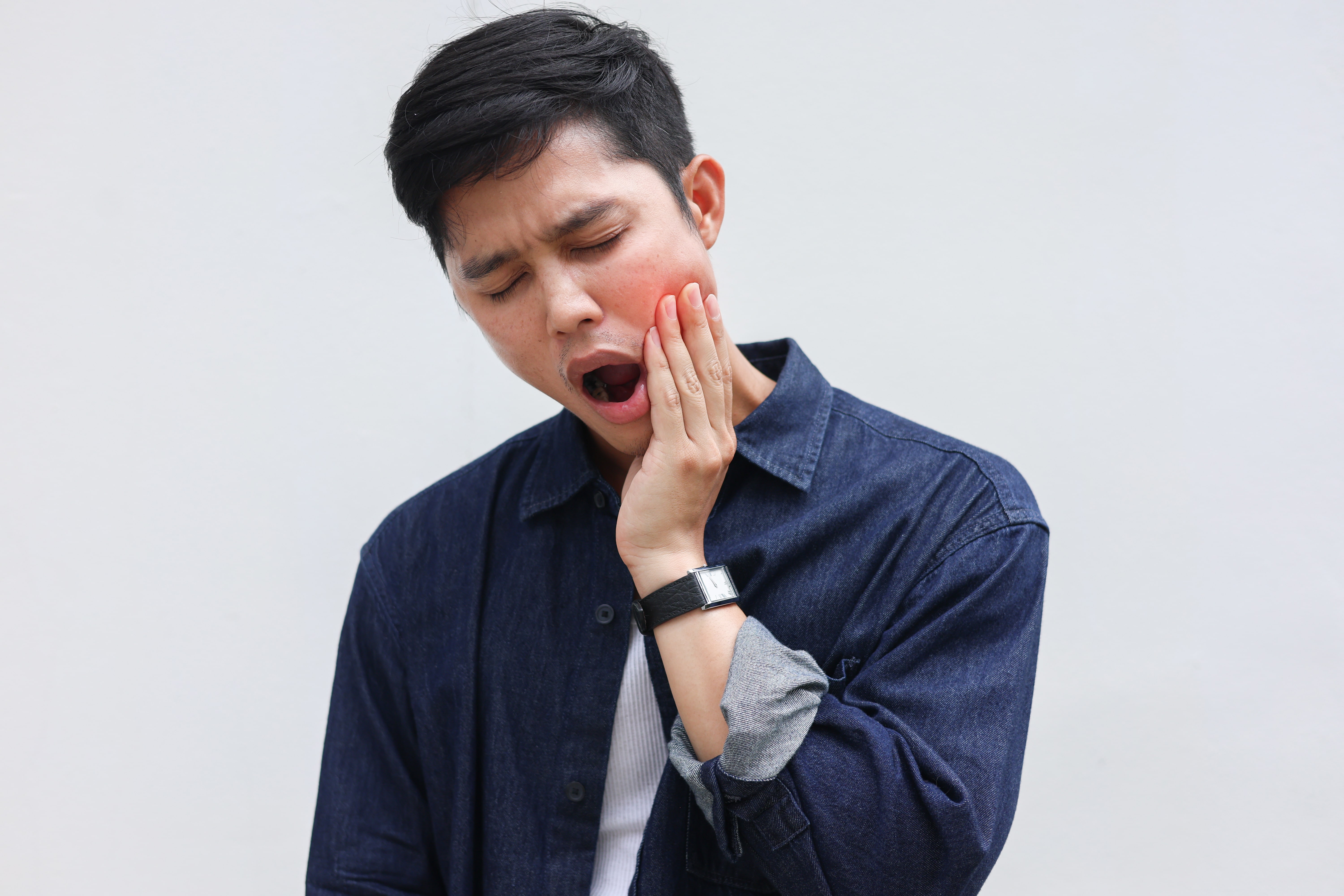
What Is TMJ Disorder?
TMJ refers to the temporomandibular joint, which connects your jawbone to your skull. This joint allows your mouth to open, close, and move side to side. When it becomes irritated or misaligned, it can lead to a group of conditions collectively known as TMD (temporomandibular joint disorder).
TMD symptoms can range from mild jaw discomfort to severe, chronic pain—and often impact your ability to eat, speak, and sleep comfortably. We offer non-surgical treatment options to help reduce inflammation, correct misalignment, and restore proper jaw function.
Common Symptoms of TMJ Dysfunction
You may have TMD if you’re experiencing:
- Jaw pain or soreness
- Clicking or popping sounds when opening your mouth
- Frequent headaches or migraines
- Pain that radiates to your ears, neck, or shoulders
- Limited jaw movement or locking
- Tooth wear from grinding or clenching
- Facial tension or fatigue
If left untreated, TMJ issues can worsen over time, potentially leading to permanent joint damage, tooth damage, or bite misalignment.
Our Approach to TMJ Therapy
At Black Mountain Dental, we focus on conservative, non-invasive treatments that provide lasting relief with minimal disruption to your daily life. Dr. Heeyup Ghim uses modern diagnostics and personalized care plans to address the root cause of your discomfort—not just the symptoms.
Diagnosis & Evaluation
We begin with a thorough examination of your bite, jaw movement, and joint health, often using digital imaging and 3D scans for precise assessment.
Custom Oral Appliances
One of the most effective treatments for TMJ disorders is a custom-made night guard or occlusal splint. These devices:
- Prevent teeth grinding and clenching (bruxism)
- Reduce pressure on the jaw joint
- Realign the bite and promote muscle relaxation
- Minimize enamel wear and long-term damage
Visit our Night Guards page for more on appliance therapy.
Bite Adjustment (Occlusal Equilibration)
In some cases, we may recommend a minor bite adjustment to correct misalignment that’s contributing to jaw strain or imbalance.
Lifestyle & Stress Management
We’ll also guide you through habits and strategies that can reduce tension, such as jaw exercises, posture correction, and stress-reduction techniques.
Advanced Technology for TMJ Care
We use digital imaging and scanning tools to better understand your jaw’s structure and movement, allowing for accurate diagnosis and tailored treatment planning.
- Digital bite analysis to identify imbalances
- Intraoral scanning to create precise oral appliances
- 3D imaging to assess joint health
- Comfort-first approach to minimize invasive procedures
Learn more about how we use these tools on our Dental Technology page.